Understanding GFCI Protection
A Ground Fault Circuit Interrupter (GFCI) outlet is one of the most important electrical safety devices in modern homes. This relatively simple device has saved countless lives by preventing electrical shocks in wet environments where the risk of electrocution is highest. If you have bathrooms or kitchens in your home, you should have GFCI outlets—and if you don't, this is a safety upgrade worth making immediately.
GFCI outlets are required by electrical code in all new home construction in areas where water and electrical current might come together. They're standard in bathrooms, kitchens, basements, and outdoor areas. However, many older homes were built before GFCI requirements were established, leaving them without this critical protection.
How GFCI Outlets Work
A standard electrical outlet provides power through two terminals—the hot (live) wire and the neutral wire. Current flows from hot through the appliance or device, then back through neutral to complete the circuit. As long as all the current that leaves on the hot wire returns on the neutral wire, everything is normal.
A ground fault occurs when current leaks from the hot wire to ground through an unintended path—typically through water and a person's body. Imagine a hair dryer falls into a bathtub while someone is in the water. If you're standing in water and touch the dryer, you provide a path for current to flow from the dryer through you to the ground. This is electrocution, and it can be fatal.
A GFCI outlet constantly monitors the current flowing through the hot wire and the current returning through the neutral wire. If these don't match—meaning some current is leaking elsewhere—the GFCI detects this imbalance almost instantly and cuts off power. The detection and power cutoff typically happens in milliseconds, far faster than a standard circuit breaker. This rapid cutoff can mean the difference between a painful shock and a fatal injury.
Key numbers: A standard circuit breaker typically responds to overloads of 15-20 amps. A GFCI outlet detects ground faults as small as 5 milliamps (0.005 amps)—that's 3,000 times more sensitive. This extreme sensitivity is what makes GFCI protection so effective at preventing electrocution.
Where GFCI Outlets Are Required
Bathrooms - All outlets in bathrooms must have GFCI protection. This includes outlets in vanity areas, as well as any outlets inside the bathroom. The high humidity and proximity to water (sinks, toilets, showers) make bathrooms particularly high-risk for ground faults.
Kitchens - All outlets within 6 feet of the kitchen sink must be GFCI-protected. This typically means countertop outlets throughout the kitchen and the sink area. Modern code also requires GFCI protection for most kitchen countertop outlets, even those not immediately adjacent to the sink.
Basements - All basement outlets must have GFCI protection due to the potential for water exposure from pipes, flooding, or accumulated moisture.
Outdoor Outlets - All outdoor outlets must have GFCI protection because of exposure to moisture and weather. This includes patio, deck, garage, and porch outlets.
Wet Bars and Similar Areas - Any area with a sink or potential for water exposure should have GFCI protection. This might include laundry rooms, mudrooms, or wet bars in basements or garages.
GFCI Outlet Types and Installation Options
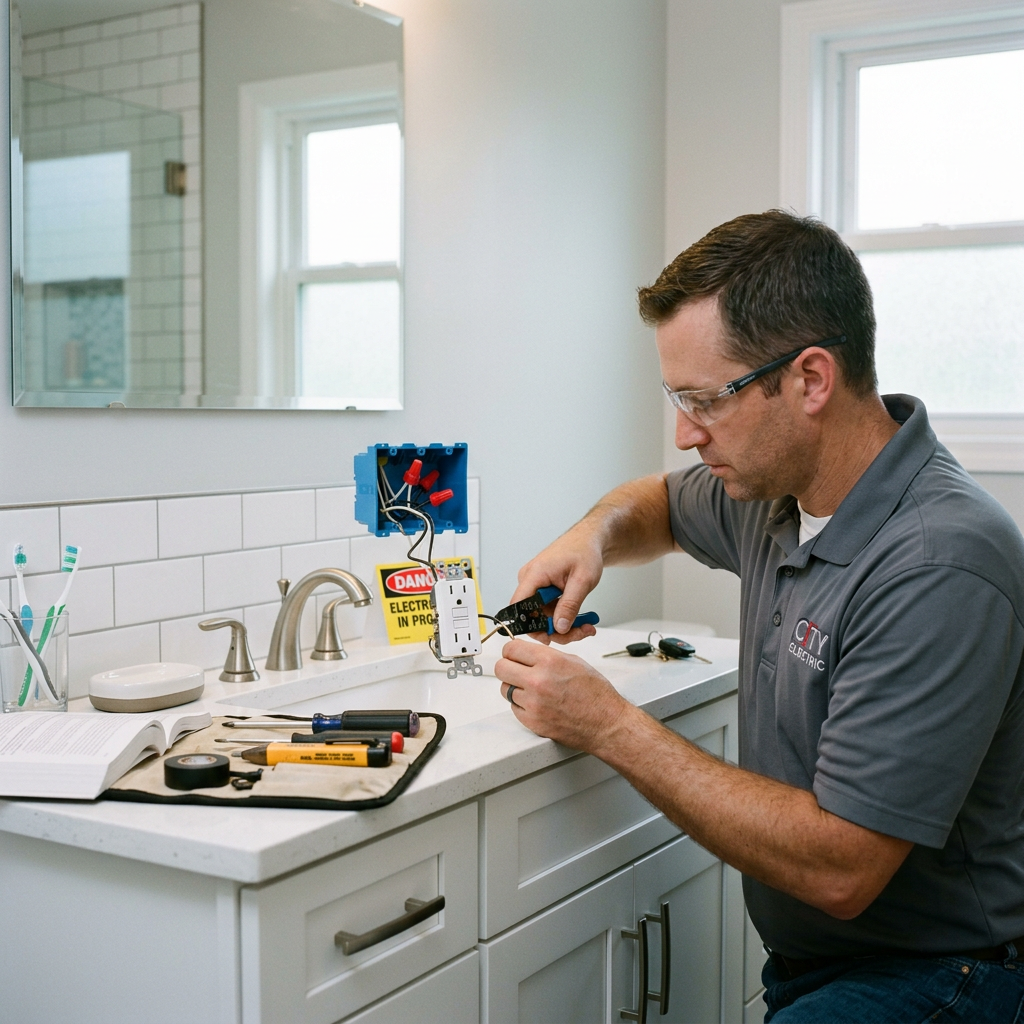
GFCI Receptacle Outlets - These are individual outlets that have GFCI protection built into the outlet itself. They typically cost $10-20 each and look similar to standard outlets, but with a slightly wider profile and test/reset buttons in the center. Installation involves turning off the breaker, removing the old outlet, and installing the GFCI outlet in its place.
GFCI Breakers - An alternative to GFCI outlets is to install a GFCI breaker in your electrical panel. A single GFCI breaker can protect an entire circuit, eliminating the need for individual GFCI outlets. This is particularly useful for circuits that have multiple outlets in GFCI-required areas.
Portable GFCI Outlets - For temporary protection, portable GFCI outlets are available. These plug into standard outlets and provide GFCI protection for anything plugged into them. These are useful for temporary outdoor use or when traveling, but they're not a substitute for permanent GFCI outlets in areas where code requires them.
GFCI Outlet Maintenance and Testing
GFCI outlets should be tested regularly to ensure they're functioning properly. Most GFCI outlets have a test button and a reset button on the face of the outlet. Press the test button—this intentionally creates a ground fault and should cause the outlet to cut off power. If power is cut, press the reset button to restore power. If the test button doesn't cut off power, the GFCI outlet is faulty and should be replaced.
Test your GFCI outlets at least quarterly, particularly those in high-moisture areas. If an outlet fails to trip when tested, it's providing false security and should be replaced immediately. Additionally, if a GFCI outlet trips frequently during normal use (not during testing), this might indicate a fault in an appliance or fixture connected to that outlet. Investigate and resolve the cause rather than simply resetting the outlet repeatedly.
When to Call a Professional
While installing a single GFCI outlet is a straightforward DIY project if you're comfortable working with electrical outlets, professional installation is recommended if:
- You're unsure about your home's electrical system
- You want to add GFCI protection to multiple outlets
- You're considering a GFCI breaker installation
- You want a professional evaluation of your home's GFCI protection needs
- You want to ensure all work meets current electrical code
A professional electrician can quickly assess your home's GFCI protection status, recommend the most appropriate protection strategy, and ensure proper installation.
Protecting Your Family
GFCI outlets are an essential safety feature that should be present anywhere water and electrical current might come together. If your home was built before 1970 or doesn't have GFCI outlets in areas where code requires them, adding this protection should be a high priority.
Contact Dausman Electric for an electrical safety assessment. We'll evaluate your home's GFCI protection, identify any areas lacking proper protection, and install GFCI outlets wherever needed. Your family's safety is too important to overlook this critical protection.